


17 Jun The Best Time of Year to Do a Wellness Retreat in Bali — And Why Most People Get It Wrong
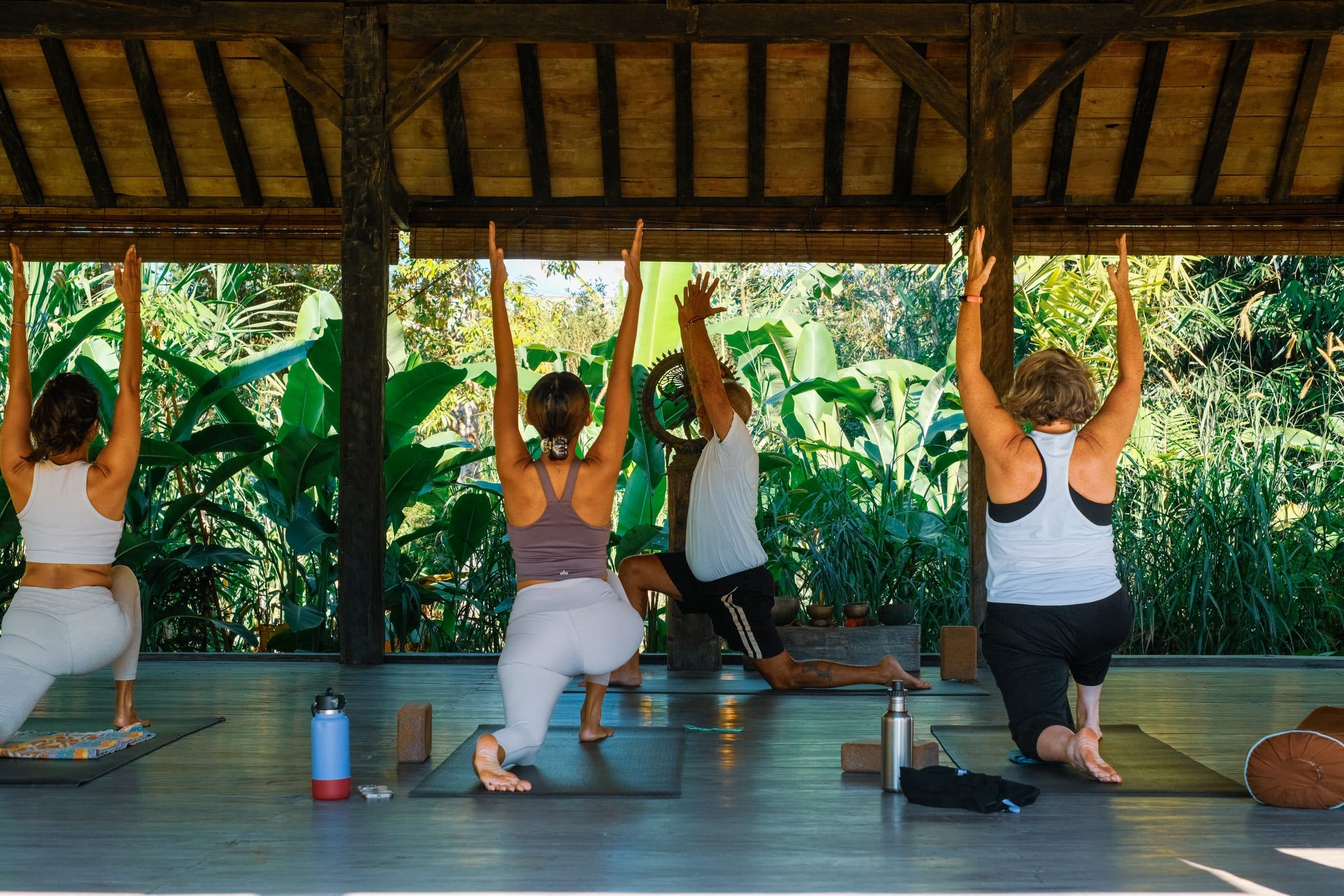 If you have started researching a wellness retreat in Bali, you have almost certainly come across the same advice: go between April and October, during the dry season, when the weather is predictable and the skies are clear. Avoid the wet season. Book early for peak months. Travel in shoulder season if you want better rates.
This advice is not wrong. But it is incomplete — and for women planning a wellness retreat specifically, it misses the more important question entirely.
The best time to do a wellness retreat in Bali is not primarily a question of weather. It is a question of where you are — internally — and what you actually need when you arrive. Once you understand that, the calendar becomes a secondary consideration.
What the Standard Advice Gets Right (And Where It Stops)
Let us be clear about the weather first, because it does matter — just not in the way most people assume.
Bali has two main seasons. The dry season runs roughly from April through October, with July and August being the busiest months. The wet season, from November through March, brings daily rainfall — typically in concentrated afternoon or evening bursts rather than sustained all-day rain.
What most guides fail to mention is that the wet season in Bali’s highlands — where many of the island’s quieter wellness retreats are located — is genuinely beautiful. The landscape is intensely green. The air is cool and clean. The mist that settles over the rice fields and forests in the mornings creates a stillness that the dry season, with its clear skies and tourist density, rarely matches.
So if you have been waiting for the dry season before booking, it is worth asking whether you are optimising for the right thing.
The Real Question: When Do YOU Need to Go?
The women who truly get the most out of a Wellness Retreat in Bali aren’t the ones who try to time their trip so it coincides perfectly with the weather forecast, no – they’re the ones who showed up when they really needed to – and happened to stumble upon a place that was actually equipped to meet them where they were at.
Here are the moments when you might know it’s time to start looking for a wellness retreat:
- When you’ve been running on fumes for so long that rest feels like something that only other people get to experience – and honestly, you’ve just about had it.
- You find yourself at a crossroads – the end of a big relationship, a career change or maybe even just a chapter of your life closing – and you desperately need some space to figure out your next move.
- Your yoga or meditation practice has been going stale and you’re itching for a teacher and an environment that can help take it to the next level.
- You get this nagging sense that its time to do something just for you, not a holiday that’s some kind of irritating compromise with everyone elses interests – but rather a week that is 100% about you healing and restoring.
A Season-by-Season Guide to Wellness Retreats in Bali
With that context in mind, here is how the different times of year actually play out for wellness retreat guests — and who each season tends to suit best.
April to June — The Sweet Spot
The dry season is beginning, the crowds of July and August have not yet arrived, and the landscape still carries the lushness of the wet months. This is widely considered the ideal window for a wellness retreat — the balance between good weather, manageable tourist numbers, and a Bali that still feels spacious and unhurried. If you have flexibility, this is the period to prioritise.
July to August — Peak Season
The weather is at its most reliable, but this comes with trade-offs. Popular areas are busy, prices are higher, and the energy of the island is more activated — which is not always ideal for a retreat experience focused on quietness and restoration. That said, resorts located away from the tourist centres maintain their calm regardless of the season. If you can only travel in peak months, choosing a retreat in Bali’s highlands rather than its resort towns makes a significant difference.
September to October — An Underrated Window
The crowds begin to thin and the dry season still holds. September and October offer some of the best conditions for a wellness retreat — good weather, quieter roads, and a return to the more contemplative pace that makes Bali feel restorative rather than just scenic. Many experienced retreat-goers consider this their preferred time to visit.
November to March — The Wet Season
Underestimated by most first-time visitors, the wet season has genuine advantages for wellness retreat guests. The island is quieter and greener. Rates are lower. And for retreats located in the highlands — where rain enriches rather than disrupts the environment — the season adds a layer of natural beauty that is genuinely hard to find at other times of year. If you need to travel during these months, do not let conventional wisdom talk you out of it.
Why Location Matters More Than Season
Here is the detail that most Bali travel guides overlook: the island is not climatically uniform. The south — Seminyak, Canggu, Kuta — experiences the full force of peak-season crowds and wet-season humidity. The highlands of Tabanan and the interior are cooler, quieter, and less affected by the tourist rhythms that define Bali’s coastal areas.
This is why a wellness retreat in Bali’s highlands — at a place like Desa Seni, set in the Tabanan regency surrounded by organic gardens and rice fields — can be genuinely restorative in almost any month. The environment itself creates the conditions for rest. The season is a secondary factor.
What matters far more than when you go is where you go — and whether the place you choose is genuinely built around restoration or simply offering wellness as an amenity alongside a swimming pool and a spa menu.
Practical Considerations for Planning Your Wellness Retreat in Bali
Once you have decided that the time is right — for you, not just for the weather — here are the practical factors that deserve attention:
- Book at least 6–8 weeks in advance for private retreats, especially if you want a customised programme.
- Allow a minimum of five days. Three-day retreats are possible, but the first day is typically spent decompressing — meaning you lose a third of your time before the real work begins.
- Travel light. A wellness retreat is not a holiday wardrobe situation. Comfortable practice clothes, a journal, and minimal technology is the standard that most guests recommend.
- Build in a transition day on both ends if possible — one day to arrive and settle before your programme begins, and one to integrate before you fly home.
Stop Waiting for the Perfect Window
The most common reason women delay booking a wellness retreat in Bali is timing. They are waiting for the right season, the right moment at work, the right stretch of calendar. What most of them discover — once they actually go — is that there was no perfect window. There was just the decision to go, and everything that followed from it.
Bali, in almost any month, has the capacity to meet you where you are. The question is whether you are ready to show up.
At Desa Seni, the yoga and wellness programmes run year-round — designed to work with the environment and the season, not against it. Browse the available retreat programmes and find the one that fits where you are right now.